
Understanding Dental Implants: What You Need to Know
Your oral health is about more than just a bright smile—it’s a cornerstone of your overall well-being. Regular dental visits, consistent brushing and flossing, and a tooth-friendly diet all help prevent common problems. In this article, you’ll find practical, dentist-approved tips to keep your teeth and gums healthy. This guidance is relevant whether you have natural teeth, dental implants, or are considering implant-based solutions, since good oral hygiene supports implant longevity and success.
Flossing is essential for clearing away food particles and plaque from between teeth where a toothbrush can’t reach. Use about 18 inches of floss, winding most of it around your middle fingers and leaving an inch or two to work with. Gently slide the floss between teeth, curve it around each tooth, and glide it beneath the gumline. Daily flossing helps prevent gum disease and cavities.
Your oral health matters more than you may realize. It’s not just about a beautiful smile—it’s about maintaining your overall health. Regular dental check-ups, proper brushing and flossing, and a healthy diet can prevent many dental issues.
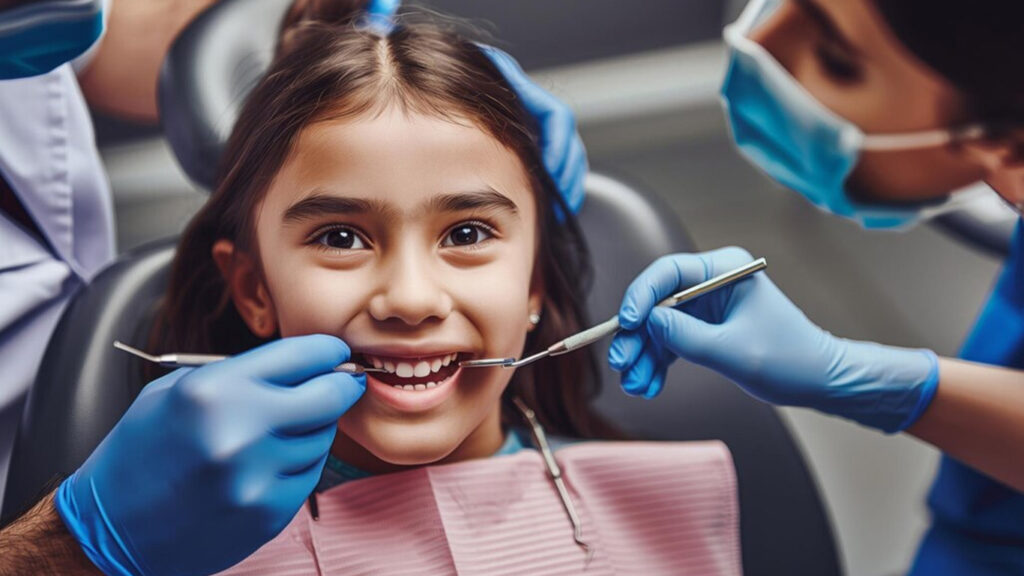
Visiting your dentist every six months is vital for maintaining oral health. Regular visits allow for early detection of dental problems such as cavities, gum disease, and oral cancer. Your dentist can provide professional cleanings, personalized advice on home care, and treatments to address issues before they become serious.
Regular Dental Check-ups
A balanced diet is crucial for oral health. Limit sugary foods and beverages, as they contribute to tooth decay. Instead, opt for foods rich in calcium and phosphates, such as dairy products, leafy greens, and nuts, which help strengthen tooth enamel. Drink plenty of water to keep your mouth hydrated and to wash away food particles.
- Your smile is your best accessory—keep it bright with regular dental care.
- Healthy teeth and gums form the foundation of a beautiful smile and overall well-being.
- Flossing daily is a small step that makes a big difference in your oral health.
- Preventive dental care today reduces the risk of major dental problems tomorrow.
- Your mouth reflects your overall health—protect it with regular check-ups.
Incorporating an antimicrobial mouthwash into your daily routine can help reduce plaque, prevent gum disease, and freshen your breath. Look for mouthwashes with fluoride to help strengthen tooth enamel. However, mouthwash should not replace brushing and flossing but rather complement your oral hygiene regimen.